Добро пожаловать в Шаньдун Fangzheng Machine Tool Co., Ltd


Key Features Explained
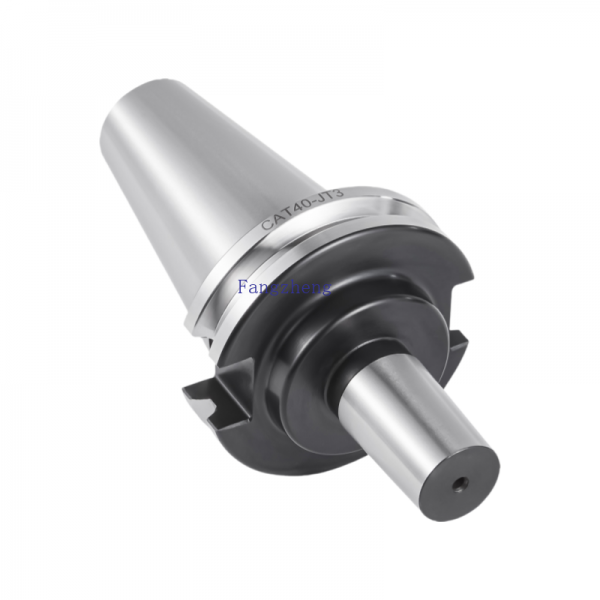
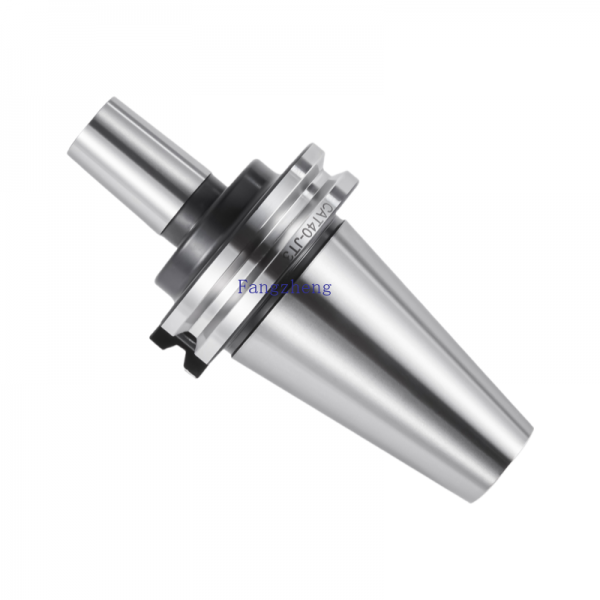
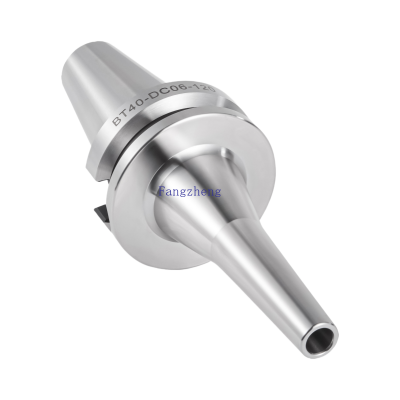
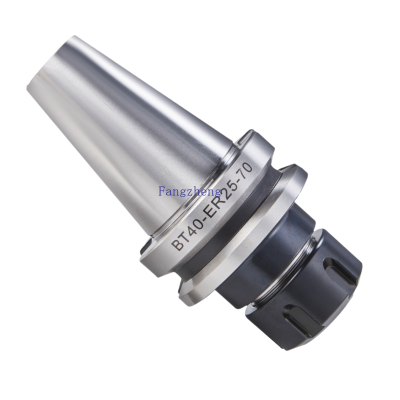
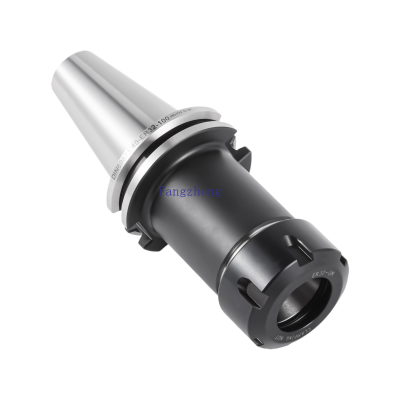
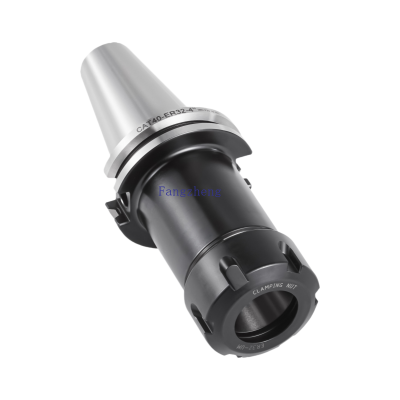
1. Tool Holder End: CAT Standard
· Appearance: Uses the international standard 7:24 taper.
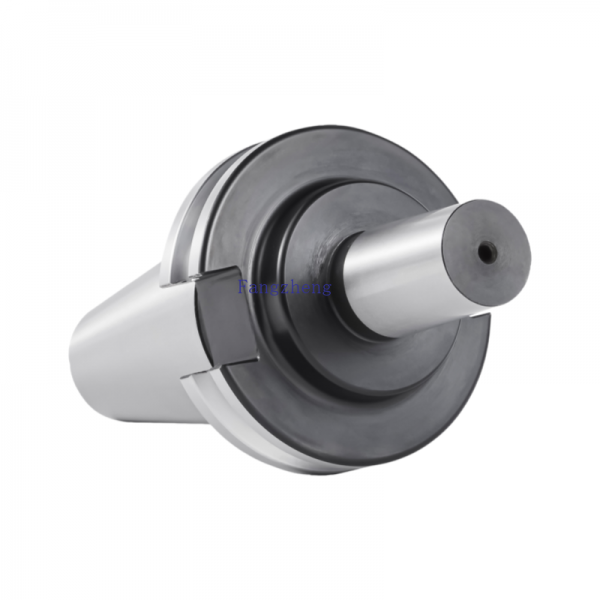
· Identification: CAT tool holders have a V-groove at the rear of the taper for the robot arm to grip.
· Key Component - Pull Stud: CAT tool holders use a symmetric pull stud with internal threads. This is a key distinguishing feature when comparing to BT holders (which use a symmetric, flanged pull stud) and DIN69871 holders (which use an asymmetric pull stud). Using the wrong pull stud can severely damage the machine spindle.
· Common Specifications: CAT40, CAT50. CAT40 is the most common specification for medium-sized machining centers.
2. Drill Chuck Mounting End
The most mainstream and reliable method is theMorse Taper.
· The front end of the arbor is machined into a Morse Taper shank.
· Standard three-jaw drill chucks have a corresponding Morse Taper socket in their tail.
· Fixation is achieved through the self-locking force of the tapered fit. Installation is simple and it can handle high torque.
· Common specifications include: MT2, MT3, MT4, etc. For example, a "CAT40-MT3" arbor refers to one with a CAT40 tool holder and a Morse Taper No. 3 shank.
3.Ideal for the following situations:
· Quick Tool Change Operations: When you need to frequently change drill bits of different diameters during a process, its convenience is unmatched.
· Drilling Holes with Non-Critical Precision Requirements: Such as for center spotting, tap pilot holes, bolt clearance holes, etc.
· Using Center Drills or Spotting Drills: This is a very classic and common combination.
· General Repair Shops or Mold Shops: In these environments, tool versatility and convenience are paramount.
Advantages:
· Extremely Easy Operation: Very fast loading and unloading of drill bits.
· High Versatility: One drill chuck can cover a relatively wide range of diameters (e.g., 1-13mm).
· Cost-Effective: Drill chucks themselves are universal components and relatively inexpensive.